
Thailand’s fitness industry, valued at $1.5 billion in 2024 and projected to grow at a 7.8% CAGR through 2030, is undergoing a profound digital transformation (Global Wellness Institute). Driven by consumer demand for convenience, personalization, and technology, fitness brands are leveraging virtual platforms, wearable devices, and AI to reshape how services are delivered. For wellness brands, investors, and tourism operators, understanding these trends is critical to capitalizing on Thailand’s dynamic fitness market. This article explores key digital trends shaping the industry, their implications, and strategies for stakeholders to stay competitive, while maintaining the original structure for clarity and engagement.

The Rise of Virtual Fitness Platforms
Virtual fitness platforms have surged in popularity, particularly among Thailand’s urban professionals, who value flexibility in their busy schedules. A 2024 study found that 62% of Thai fitness consumers use apps or online platforms for workouts, with platforms like Fit Junction and Les Mills On Demand offering on-demand classes and live-streamed sessions (Intellify). These platforms cater to the 55 million Thais with internet access, enabling fitness brands to reach consumers beyond physical gym locations (Intellify).
Why It Matters
Virtual platforms provide unmatched convenience, allowing users to exercise anytime, anywhere, which aligns with the 32% of Thais citing time constraints as a barrier to fitness (Siriboonpipattana). For brands, this expands market reach, particularly in rural areas where gym access is limited. Tourism operators can integrate virtual fitness into wellness packages, offering guided workouts to international visitors staying at resorts like Chiva-Som. The challenge lies in ensuring high-quality content to compete with global platforms, requiring investment in professional production and culturally relevant programming.
Is your fitness business leveraging virtual platforms to meet consumer demands for flexibility and accessibility?

Integration of Wearable Technology
Wearable devices, such as Fitbit and Apple Watch, are increasingly adopted by Thai fitness enthusiasts, with 28% of urban consumers using fitness trackers in 2024 (INTAGE). These devices provide real-time data on heart rate, calorie expenditure, and sleep patterns, empowering users to monitor and achieve their fitness goals. Brands like Virgin Active Thailand have integrated wearables into their programs, offering challenges synced with user devices to enhance engagement (Indo Thai News).
Why It Matters
Wearables foster continuous engagement by providing actionable insights, with 65% of Thai users reporting increased motivation from tracking progress (Intellify). For brands, integrating wearables into fitness programs creates opportunities for data-driven coaching, such as personalized heart rate zone training. Investors can explore partnerships with tech companies to develop branded wearables, while tourism operators can offer wearable rentals at wellness retreats to enhance guest experiences. The key is ensuring compatibility with local preferences, such as affordable options for price-sensitive consumers.
Is your brand collaborating with wearable tech to enhance the fitness experience?
Personalized Fitness Experiences
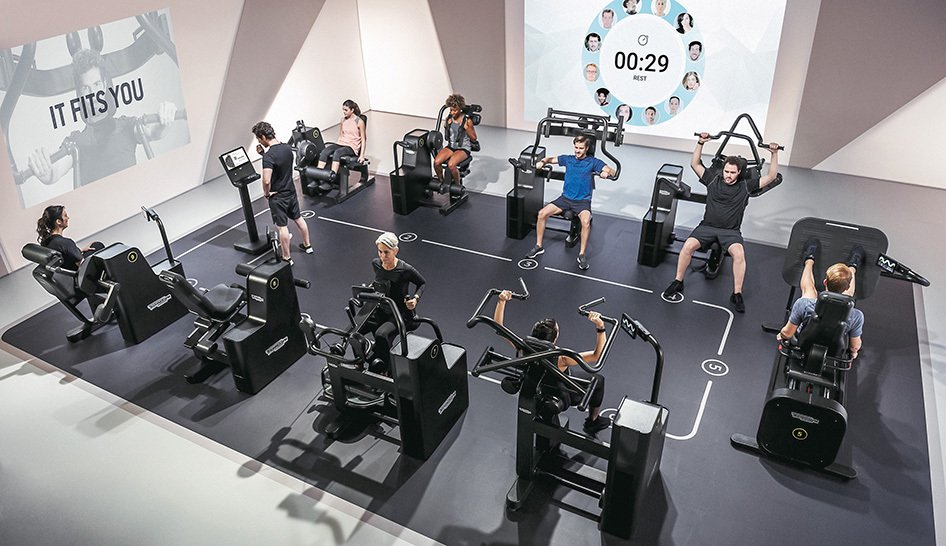
Thai consumers increasingly demand personalized fitness plans tailored to their goals, lifestyles, and health needs. AI-driven platforms like MyFitnessPal and local apps like FitSense use algorithms to deliver customized workout and nutrition plans, with 70% of users valuing personalization for better outcomes (Jiradechakul). In 2024, longevity clinics in Bangkok, such as BDMS Wellness Clinic, began offering AI-supported fitness assessments, blending TTM with modern diagnostics (Indo Thai News).
Why It Matters
Personalization enhances customer satisfaction, addressing the 47% of Thais reporting burnout and seeking targeted solutions (Jiradechakul). For brands, AI-driven personalization builds loyalty by offering tailored experiences, such as vegan meal plans or injury-specific workouts. Tourism operators can incorporate personalized fitness into wellness packages, using apps to deliver culturally inspired plans, like yoga rooted in Buddhist mindfulness. The challenge is balancing technology with human interaction, as 60% of Thais prefer some in-person guidance (INTAGE).
Does your fitness business offer tailored solutions that stand out in the market?

Gamification of Fitness
Gamification is transforming fitness into an engaging, game-like experience, with apps like Strava and local platforms like Fitzie incorporating challenges, rewards, and leaderboards. A 2024 survey found that 58% of Thai fitness app users are more likely to stay active when gamified elements are included, particularly among Gen Z and Millennials (Intellify). Brands like Fitness First Thailand have introduced gamified challenges, such as step-count competitions, to boost participation (Nation Thailand).
Why It Matters
Gamification increases retention by making fitness enjoyable, addressing the 30% dropout rate in traditional gym memberships (Euromonitor). It also fosters community, aligning with Thailand’s collectivist culture, where 67% of consumers value social support in fitness (Buawangpong et al. 649). For tourism operators, gamified fitness experiences, like virtual temple run challenges, can attract wellness tourists. Brands must ensure gamification is inclusive, avoiding overly complex systems that may alienate less tech-savvy users.
Is your brand tapping into gamification to boost customer engagement?

Social Media and Influencer Impact
Social media platforms, particularly TikTok and Instagram, are pivotal in shaping Thailand’s fitness trends, with 73% of consumers discovering fitness products through social media (Intellify). Thai fitness influencers, such as @FitWithFern, promote workouts and supplements, driving engagement among 18-34-year-olds, who make up 40% of the fitness market (INTAGE). Brands like WE Fitness leverage influencer partnerships to showcase classes and products, amplifying reach (Timeout).
Why It Matters
Social media drives brand awareness and trust, with 68% of Thai consumers trusting influencer recommendations over traditional ads (Siriboonpipattana). For brands, collaborating with local influencers ensures cultural relevance, while live-streamed workouts on platforms like LazLive foster direct interaction. Tourism operators can partner with influencers to promote wellness retreats, targeting international audiences. The challenge is maintaining authenticity, as 27% of consumers are skeptical of overly commercialized promotions (Euromonitor).
Is your fitness business utilizing social media to amplify its reach?

Hybrid Fitness Models
Hybrid fitness models, combining in-person and digital offerings, are becoming the standard in Thailand. In 2024, 45% of Thai gyms offered hybrid memberships, integrating online classes with physical facilities, as seen with chains like Jetts Fitness (Nation Thailand). This model caters to diverse preferences, with 55% of consumers valuing both in-person community and digital flexibility (Intellify).
Why It Matters
Hybrid models ensure service continuity, a lesson from the COVID-19 pandemic when 80% of Thai gyms pivoted to online offerings (Global Wellness Institute). They also appeal to wellness tourists, who spend $1,735 per trip and seek integrated experiences (Global Wellness Institute). Brands can differentiate by offering seamless hybrid platforms, while investors can fund scalable hybrid infrastructure. The challenge is maintaining quality across both channels to avoid diluting brand value.
Is your fitness brand adopting a hybrid approach to remain competitive?
Adapting to the Digital Future with Strategic Partnerships
Navigating Thailand’s digital fitness transformation requires innovation and local expertise. Strategic partnerships with tech providers, influencers, and wellness tourism operators can help brands thrive. Key strategies include:
- Market Insights: Analyze consumer behavior to tailor digital offerings, leveraging data from 62% of Thais using fitness apps (Intellify).
- Digital Strategy: Develop user-friendly platforms with culturally relevant content, such as Thai-language meditation guides.
- Networking Opportunities: Collaborate with wearable tech firms or resorts like Amatara to enhance offerings.
- Operational Support: Streamline logistics, integrating AI tools and e-commerce for seamless customer experiences.
Stay Ahead in Thailand’s Fitness Industry
Thailand’s fitness industry is at a digital crossroads, with a $1.5 billion market poised for growth. By embracing virtual platforms, wearables, personalization, gamification, social media, and hybrid models, brands can build stronger consumer connections and capture market share. Investors and tourism operators can leverage Thailand’s 119.5% wellness tourism growth by integrating digital fitness into culturally authentic experiences (Global Wellness Institute).
Contact for Strategic Support
For support in navigating Thailand’s digital fitness landscape, contact:
- Email: info@rlgroupasia.com
- Phone: +66 987 796 079
Let us help your fitness brand thrive in Thailand’s digital revolution!
Works Cited
Buawangpong, Nida, et al. “Well-being in Thailand: A Culturally Driven Grounded Inquiry Exploration of a Complex Construct.” Applied Research in Quality of Life, vol. 17, no. 2, 7 June 2022, pp. 647-663, doi:10.1007/s11482-021-09933-5.
Euromonitor. “Health and Wellness in Thailand.” Euromonitor International, 31 Jan. 2021, www.euromonitor.com/health-and-wellness-in-thailand/report. Accessed 5 Aug. 2025.
Global Wellness Institute. “Global Wellness Institute Releases New Data on Thailand’s Fast-Growing $40.5 Billion Wellness Market.” Global Wellness Institute, 19 Feb. 2025, globalwellnessinstitute.org/press-releases/global-wellness-institute-releases-new-data-on-thailands-fast-growing-40-5-billion-wellness-market/. Accessed 5 Aug. 2025.
Indo Thai News. “7 Health and Wellness Trends in Thailand 2025.” Indo Thai News, 17 Feb. 2025, www.indothainews.com/7-health-and-wellness-trends-in-thailand-2025/. Accessed 5 Aug. 2025.
INTAGE. “Thailand Health Trend 2024 (Part 2).” Global Market Surfer, 28 June 2024, www.global-market-surfer.com/pickup/detail/489/. Accessed 5 Aug. 2025.
Intellify. “Thailand Consumer Trends Outlook 2025.” Intellify Market Research, 18 Jan. 2025, www.intellifyglobal.com/thailand-consumer-trends-outlook-2025. Accessed 5 Aug. 2025.
Jiradechakul, Pongsanguan. “Consumers Spend More on Healthy Living.” Mintel, 10 Dec. 2021, www.mintel.com/press-centre/42-of-thai-consumers-spend-more-on-healthy-living/. Accessed 5 Aug. 2025.
Nation Thailand. “Thailand’s Health and Beauty Market Booms, Fuelled by Competition.” Nation Thailand, 23 Dec. 2024, www.nationthailand.com/business/40048946. Accessed 5 Aug. 2025.
Siriboonpipattana, Wilasinee. “Over 75% of Thai Consumers Seek Credible Health Claims Amid Rising Cost of Living.” Mintel, 30 Aug. 2023, www.mintel.com/press-centre/over-75-of-thai-consumers-seek-credible-health-claims-amid-rising-cost-of-living/. Accessed 5 Aug. 2025.
Timeout. “Best Local Health and Beauty Products in Thailand.” Timeout, 27 Jan. 2025, www.timeout.com/thailand/shopping/best-local-health-and-beauty-products-in-thailand. Accessed 5 Aug. 2025.