Thailand’s wellness market, valued at $40.5 billion in 2023 and projected to grow significantly by 2030, is a dynamic and competitive landscape driven by cultural authenticity, consumer trust, and evolving health trends (Global Wellness Institute). For wellness brands, establishing a local presence in Thailand is not merely a strategic choice but a critical factor for success. Thai consumers, deeply rooted in cultural traditions and increasingly health-conscious, prioritize brands that demonstrate an understanding of local values, preferences, and challenges. This article examines why a local presence is essential for wellness brands targeting Thailand, focusing on cultural alignment, consumer trust, distribution channels, and market opportunities, while offering insights for wellness brands, investors, and tourism operators.
Cultural Alignment and Authenticity
Thai wellness consumers value brands that resonate with their cultural heritage, particularly Buddhist principles, Thai traditional medicine (TTM), and community-oriented lifestyles. A 2022 study found that 67% of Thai consumers prefer wellness practices that align with cultural traditions, such as meditation or herbal remedies, as these are perceived as authentic and trustworthy (Buawangpong et al. 649). For instance, brands like PANPURI and Thann have gained traction by incorporating traditional Thai ingredients like jasmine and lemongrass into modern wellness products, blending cultural heritage with contemporary appeal (Timeout).
A local presence enables brands to engage directly with these cultural nuances. By establishing operations in Thailand, brands can collaborate with local herbalists, spas, or wellness centers to develop products rooted in TTM, such as herbal saunas or nuad Thai massage therapies. This approach not only enhances product authenticity but also appeals to the 40% of international wellness tourists who seek culturally immersive experiences in Thailand (C9 Hotelworks). Without a local presence, brands risk appearing disconnected, relying on generic marketing that fails to capture the collectivist and tradition-driven mindset of Thai consumers.
Building Consumer Trust
Trust is a cornerstone of Thailand’s wellness market, where consumers prioritize evidence-backed products and local expertise. A 2023 Mintel report notes that 75% of Thai consumers seek credible health claims, driven by concerns about environmental stressors like pollution and rising living costs (Siriboonpipattana). A local presence allows brands to build trust through direct engagement, such as partnerships with respected institutions like BDMS Wellness Clinic or the Department of Thai Traditional and Alternative Medicine, which lend credibility to wellness offerings (Indo Thai News).
Physical retail remains a critical trust-building channel, with multi-brand stores like Watsons and EVEANDBOY accounting for significant sales due to their expert advisors and accessible locations (INTAGE). For example, EVEANDBOY’s flagship store in Bangkok’s Siam Square offers personalized consultations, fostering consumer confidence in product efficacy (Nation Thailand). Brands with local operations can leverage these retail networks to provide hands-on experiences, host product demonstrations, and address consumer concerns about authenticity and quality, which are critical in a market where 27% of consumers are skeptical of unverified health claims (Euromonitor).
Navigating Distribution and Market Access
Thailand’s wellness market is highly competitive, with a strong infrastructure for manufacturing and distribution, particularly in beauty and personal care, which grows at 10-20% annually and ranks 17th globally (Custom Market Insights). A local presence provides access to Thailand’s robust OEM/ODM ecosystem, enabling brands to produce high-quality, cost-effective products tailored to local preferences, such as sachet-packaged serums for affordability (INTAGE). This is particularly important given that 56% of Thai consumers prioritize price alongside health benefits when purchasing wellness products (Bertoli).
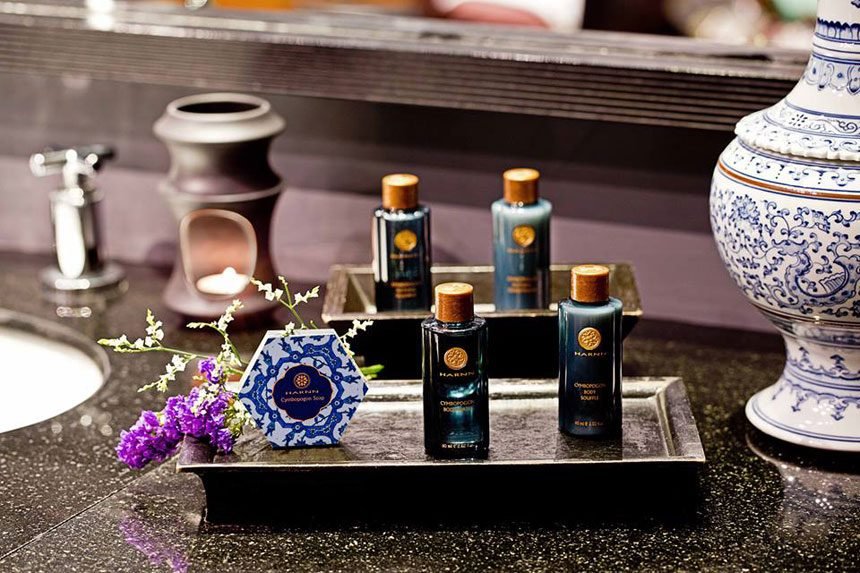
Moreover, Thailand’s ASEAN Economic Community (AEC) status offers zero-tariff benefits, making it a strategic hub for exporting to regional markets (Custom Market Insights). Brands like Mistine and Harnn have capitalized on this by establishing local manufacturing and flagship stores, enhancing their market reach in ASEAN and beyond (Custom Market Insights). Without a local presence, brands face challenges in navigating regulatory complexities, such as varying standards for supplements or cosmetics, which can erode consumer trust and limit market penetration (Mobility Foresights).
Addressing Local Consumer Needs
Thai wellness consumers are unique in their pragmatic approach to health, balancing cultural traditions with modern demands. A 2024 study found that 32% of Thais cite time constraints as a barrier to healthy habits, while 75% express concerns about rising costs, driving demand for affordable, multi-benefit products (Siriboonpipattana). Local presence allows brands to conduct market research and tailor offerings, such as compact wellness programs or budget-friendly supplements, to address these pain points.
Additionally, Thai consumers increasingly prioritize preventive care, with 70% focusing on balanced diets and 47% addressing burnout through mindfulness practices (Intellify; Jiradechakul). Brands with local operations can respond by developing products like probiotics for gut health or stress-relief supplements, which align with the growing focus on healthy aging and mental wellness (Mintel). For instance, longevity clinics in Bangkok, such as STC Clinic, offer personalized health plans that integrate TTM and modern diagnostics, appealing to urban consumers seeking holistic solutions (Indo Thai News).
Leveraging Wellness Tourism Opportunities
Thailand’s wellness tourism sector, valued at $12.34 billion in 2023 with a 119.5% growth rate, is a key driver of the wellness economy, attracting 40% of international visitors for wellness-focused trips (Global Wellness Institute). A local presence enables brands to partner with wellness resorts like Chiva-Som or Amatara, which offer traditional Thai therapies alongside modern treatments, creating immersive experiences for tourists (Indo Thai News). For example, the Thailand Convention and Exhibition Bureau’s TIME 2025 event showcased wellness-focused MICE programs, integrating cultural and health offerings to attract business travelers (Travel and Tour World).
Tourism operators benefit from local partnerships, as seen with BDMS Wellness Clinic’s collaboration with the Global Wellness Institute, which enhances Thailand’s reputation as a global wellness hub (Global Wellness Institute). Brands without a local presence risk missing these opportunities, as international wellness tourists spend an average of $1,735 per trip compared to $367 for domestic travelers, underscoring the value of targeting this high-spending segment (Global Wellness Institute).
Overcoming Challenges with Local Expertise
Operating in Thailand presents challenges, including economic disparities between urban and rural areas, which affect product accessibility, and cultural sensitivities around topics like mental health (Global Market Surfer). A local presence enables brands to navigate these complexities through partnerships with local influencers, who are trusted by 73% of Thai consumers for product recommendations, and by tailoring marketing to address stigma discreetly (Intellify). For instance, brands like Fyne, sold at SEPHORA, use local expertise to develop gentle skincare for sensitive skin, addressing pollution-related concerns prevalent in urban areas (Timeout).
Regulatory challenges, such as inconsistent standards for supplements, also require local knowledge to ensure compliance and maintain consumer trust (Mobility Foresights). Brands with local teams can engage with government initiatives, like the Ministry of Public Health’s push to position Thailand as a Medical and Wellness Hub, to align with national priorities and gain competitive advantages (Nation Thailand).
Conclusion
A local presence is indispensable for wellness brands seeking to thrive in Thailand’s $40.5 billion wellness market. By aligning with cultural values, building consumer trust, leveraging robust distribution networks, addressing local needs, and capitalizing on wellness tourism, brands can establish a competitive edge. Investors and tourism operators can further benefit by partnering with local entities to create authentic, high-value experiences. As Thailand aims to become a global wellness hub by 2030, brands with a strong local presence will be best positioned to capture the growing demand for culturally rooted, innovative wellness solutions.
Works Cited
Bertoli, Grant. “Healthy Eating Trend Boosts Thai Organic Market; Consumers Pay 10-20% More.” Nation Thailand, 6 Sept. 2024, www.nationthailand.com/business/40042222. Accessed 5 Aug. 2025.
Buawangpong, Nida, et al. “Well-being in Thailand: A Culturally Driven Grounded Inquiry Exploration of a Complex Construct.” Applied Research in Quality of Life, vol. 17, no. 2, 7 June 2022, pp. 647-663, doi:10.1007/s11482-021-09933-5.
C9 Hotelworks. “Wellness Economy Report 2025.” Insights.ehotelier.com, 23 May 2025, insights.ehotelier.com/insights/2025/05/23/being-thailand-2025-highlights-thailands-evolving-role-as-a-global-wellness-economy-leader/. Accessed 5 Aug. 2025.
Custom Market Insights. “Thailand Beauty and Personal Care Market Size 2025 – 2034.” Custom Market Insights, 2025, www.custommarketinsights.com/report/thailand-beauty-and-personal-care-market/. Accessed 5 Aug. 2025.
Euromonitor. “Health and Wellness in Thailand.” Euromonitor International, 31 Jan. 2021, www.euromonitor.com/health-and-wellness-in-thailand/report. Accessed 5 Aug. 2025.
Global Wellness Institute. “Global Wellness Institute Releases New Data on Thailand’s Fast-Growing $40.5 Billion Wellness Market.” Global Wellness Institute, 19 Feb. 2025, globalwellnessinstitute.org/press-releases/global-wellness-institute-releases-new-data-on-thailands-fast-growing-40-5-billion-wellness-market/. Accessed 5 Aug. 2025.
Indo Thai News. “7 Health and Wellness Trends in Thailand 2025.” Indo Thai News, 17 Feb. 2025, www.indothainews.com/7-health-and-wellness-trends-in-thailand-2025/. Accessed 5 Aug. 2025.
INTAGE. “Thailand Health Trend 2024 (Part 2).” Global Market Surfer, 28 June 2024, www.global-market-surfer.com/pickup/detail/489/. Accessed 5 Aug. 2025.
Jiradechakul, Pongsanguan. “Consumers Spend More on Healthy Living.” Mintel, 10 Dec. 2021, www.mintel.com/press-centre/42-of-thai-consumers-spend-more-on-healthy-living/. Accessed 5 Aug. 2025.
Nation Thailand. “Thailand’s Health and Beauty Market Booms, Fuelled by Competition.” Nation Thailand, 23 Dec. 2024, www.nationthailand.com/business/40048946. Accessed 5 Aug. 2025.
Siriboonpipattana, Wilasinee. “Over 75% of Thai Consumers Seek Credible Health Claims Amid Rising Cost of Living.” Mintel, 30 Aug. 2023, www.mintel.com/press-centre/over-75-of-thai-consumers-seek-credible-health-claims-amid-rising-cost-of-living/. Accessed 5 Aug. 2025.
Timeout. “Best Local Health and Beauty Products in Thailand.” Timeout, 27 Jan. 2025, www.timeout.com/thailand/shopping/best-local-health-and-beauty-products-in-thailand. Accessed 5 Aug. 2025.
Travel and Tour World. “Thailand’s TIME 2025 Demonstrates Unparalleled Business Travel with Exclusive Wellness and Cultural Offerings.” Travel and Tour World, 3 July 2025, www.travelandtourworld.com/news/article/thailands-time-2025-demonstrates-unparalleled-business-travel-with-exclusive-wellness-and-cultural-offerings/. Accessed 5 Aug. 2025.