Thailand’s cultural fabric weaves wellness into the daily lives of its people, creating a unique ecosystem that blends tradition, spirituality, and modern innovation. For wellness brands, investors, and tourism operators, understanding this integration offers opportunities to tap into a growing market driven by holistic health and cultural authenticity. As of 2025, Thailand’s wellness industry is projected to contribute significantly to its economy, with the beauty and wellness market alone valued at 43 billion THB by 2025, driven by trends in healthy aging and preventative care (Arunmas). This article explores how Thai culture embeds wellness in everyday practices, from Buddhist principles to culinary traditions, and examines how these practices align with contemporary global wellness trends.
The Role of Buddhism in Daily Wellness
Buddhism, the cornerstone of Thai cultural identity, profoundly shapes wellness practices. The concept of “merit” (bun) permeates daily life, encouraging acts of generosity and mindfulness that foster mental well-being. Thai households often maintain shrines to the Buddha, and many engage in daily rituals such as offering alms to monks, which promote a sense of community and spiritual balance (Britannica, “Thailand – Culture”). These practices align with global mindfulness trends, appealing to wellness brands seeking authentic, culturally rooted offerings.
A 2022 study on well-being in Thailand found that spirituality, including Buddhist practices like walking meditation, is a key domain of well-being for Thai adults. Participants reported that such practices help manage stress and enhance psychological health (Buawangpong et al. 649). For example, a 39-year-old male participant described walking meditation as a method to support both physical digestion and mental clarity, illustrating the holistic nature of these traditions. Wellness tourism operators can leverage such practices by offering immersive experiences like temple retreats, which combine meditation with cultural education, appealing to international visitors seeking authentic wellness journeys.
Social Relationships as a Wellness Pillar
Thai culture places social relationships at the heart of well-being, a finding underscored by a qualitative study of 50 Thai adults in Bangkok. The study identified family, friends, and community connections as central to emotional and psychological health, with participants citing these relationships as buffers against stress (Buawangpong et al. 650). This emphasis on collectivism contrasts with Western individualism, offering a unique selling point for wellness brands targeting community-driven experiences.
In urban areas like Bangkok, where rapid economic growth has transformed social dynamics, community ties remain strong. Even as over four-fifths of rural Thais have migrated to cities since the 1960s, many retain connections to their rural roots, fostering a sense of belonging that enhances well-being (Britannica, “Thailand – Culture”). Wellness brands can capitalize on this by creating community-focused wellness programs, such as group yoga sessions or communal herbal workshops, which resonate with Thailand’s high-context societal values (Brown et al. 432).
Culinary Traditions and Holistic Health
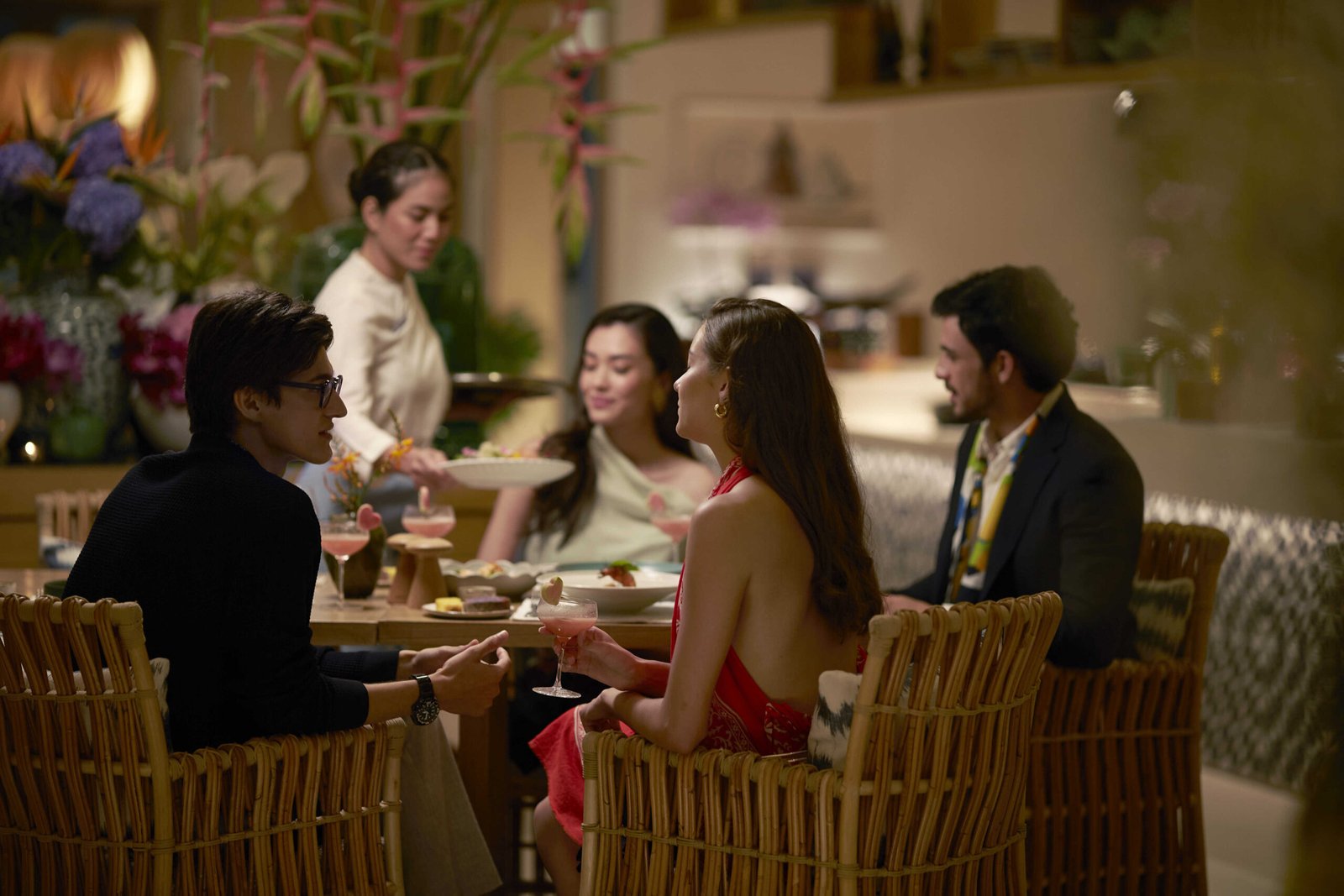
Thai cuisine, renowned for its balance of flavors, is a cornerstone of wellness in everyday life. Ingredients like lemongrass, galangal, and turmeric, commonly used in dishes such as tom yum and som tam, are valued for their medicinal properties. A 2024 Mintel report highlights that Thai consumers associate dietary choices with skin and hair health, prioritizing natural ingredients to combat environmental stressors like pollution and sun exposure (Ratchatawipasanan). This focus aligns with global trends toward functional foods, presenting opportunities for wellness brands to develop products incorporating traditional Thai ingredients.
In regions like Isan, glutinous rice and fermented dishes like pla ra (fermented fish) reflect a cultural emphasis on gut health, long recognized in Thai traditional medicine. The popularity of Lao-influenced cuisine, such as grilled marinated fish, has spread nationwide, underscoring the integration of regional culinary practices into mainstream wellness (Britannica, “Thailand – Culture”). Tourism operators can offer culinary wellness experiences, such as farm-to-table cooking classes, to attract health-conscious travelers seeking authentic Thai food culture.
Traditional Medicine and Modern Innovation
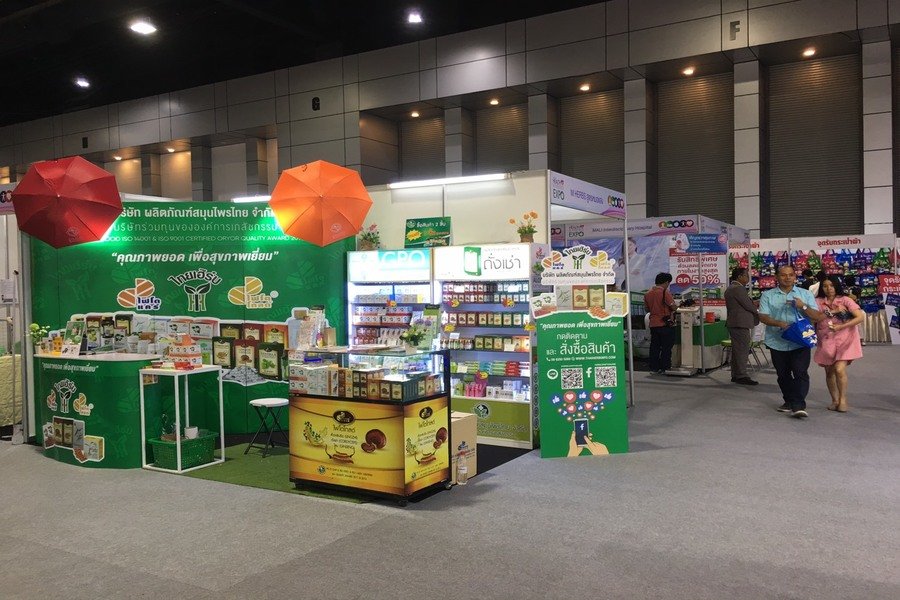
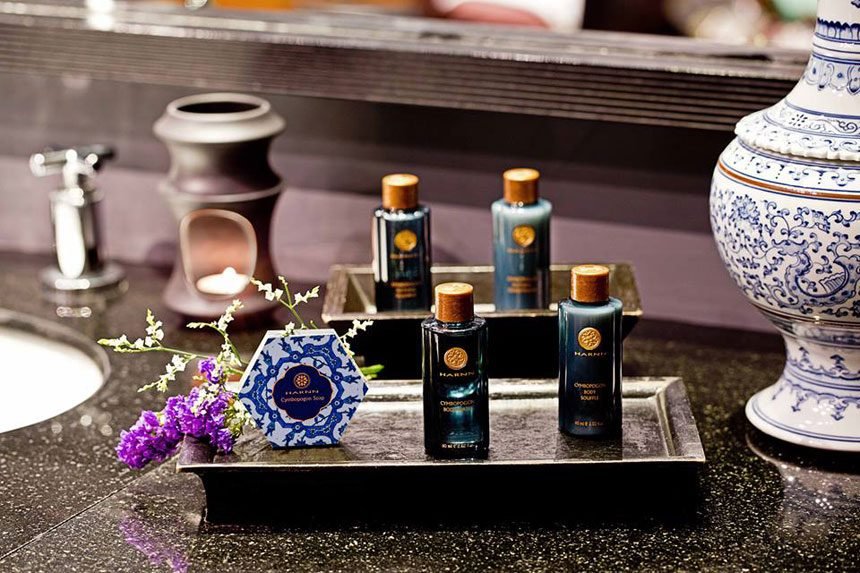
Thai traditional medicine (TTM), rooted in herbal remedies and massage, remains a vital component of daily wellness. Practices like nuad Thai (Thai massage) and the use of herbal compresses are widely accessible, even in urban settings. The 2024 Mintel report notes that Thai consumers increasingly prioritize health benefits over cosmetic enhancement, driving demand for products that address internal stressors like hormonal health (Ratchatawipasanan). This trend has spurred innovation, with brands blending TTM with modern science, such as developing sunscreen formulations inspired by traditional herbal knowledge.
The legalization of cannabis for medicinal purposes in 2022 has further expanded Thailand’s wellness landscape. The Thai government envisions cannabis as a driver of medical tourism, with projections estimating a 15% annual growth rate for the cannabis and hemp market through 2025 (Arunmas). Wellness brands and investors can explore opportunities in cannabis-infused spa treatments or supplements, aligning with Thailand’s push to become a hub for “cannabis medical tourism” (Boonbandit).
Technology and Wellness Accessibility
Thailand’s embrace of mobile health (mHealth) technologies reflects its adaptation of traditional wellness to modern contexts. A 2024 study found that 600 working-age Thais across six regions demonstrated moderate to high mHealth literacy, using mobile devices to access health information and manage wellness (Vantamay 73). The 22-item Thai Senior Technology Acceptance Model (STAM) further validated the acceptance of mHealth among older adults, highlighting its potential to enhance well-being through telehealth and health apps (Buawangpong et al. e60156). This digital shift offers wellness brands opportunities to develop apps or platforms that deliver culturally relevant health content, such as meditation guides or TTM-based self-care tips.
Tourism operators can integrate mHealth into wellness travel packages, offering apps that guide visitors through Thai wellness practices, from temple meditation schedules to herbal remedy recipes. Such innovations bridge Thailand’s cultural heritage with global digital trends, enhancing accessibility for international audiences.
Challenges and Opportunities
Despite its strengths, Thailand’s wellness landscape faces challenges. Environmental factors like pollution and sun exposure drive consumer demand for protective products, yet awareness of hormonal and sexual health remains limited, presenting an untapped market for discreet, educative wellness solutions (Ratchatawipasanan). Additionally, cultural barriers, such as the stigma around discussing certain health issues, require sensitive marketing approaches.
For investors, Thailand’s wellness market offers high potential due to its cultural authenticity and economic growth. The integration of Chinese cultural influences, particularly through the Belt and Road Initiative, has further enriched Thailand’s wellness offerings, with initiatives like Confucius Institutes promoting cultural exchange (Huang and Wang). Wellness brands can collaborate with these platforms to create cross-cultural wellness experiences, such as Thai-Chinese herbal workshops, appealing to diverse consumer bases.
Conclusion
Thailand’s approach to wellness, deeply rooted in Buddhist principles, social connections, culinary traditions, and traditional medicine, offers a model for integrating cultural authenticity with modern innovation. The projected 43 billion THB valuation of the wellness market by 2025 underscores its economic potential (Arunmas). For wellness brands, investors, and tourism operators, Thailand presents a dynamic opportunity to engage with a market that seamlessly blends tradition with contemporary trends. By offering culturally immersive experiences and innovative products, stakeholders can tap into Thailand’s unique wellness ecosystem, fostering global connections while honoring local heritage.
Works Cited
Arunmas, P. “Cannabis Valued at B43BN by 2025.” Bangkok Post, 14 Feb. 2023, www.bangkokpost.com/business/2351196/cannabis-valued-at-b43bn-by-2025. Accessed 5 Aug. 2025.
Boonbandit, T. “Thailand Wants to Be a Global Hub for ‘Cannabis Tourism’.” Bangkok Post, 24 June 2022, www.bangkokpost.com/thailand/general/2332809/thailand-wants-to-be-a-global-hub-for-cannabis-tourism. Accessed 5 Aug. 2025.
Britannica. “Thailand – Culture, Cuisine, Traditions.” Encyclopaedia Britannica, 16 July 2025, www.britannica.com/place/Thailand/Cultural-life. Accessed 5 Aug. 2025.
Brown, Ralph B., et al. “Cultural Antecedents to Community: An Evaluation of Community Experience in the United States, Thailand, and Vietnam.” PMC, 13 June 2018, pmc.ncbi.nlm.nih.gov/articles/PMC6132606/. Accessed 5 Aug. 2025.
Buawangpong, Nida, et al. “Well-being in Thailand: A Culturally Driven Grounded Inquiry Exploration of a Complex Construct.” Applied Research in Quality of Life, vol. 17, no. 2, 7 June 2022, pp. 647-663, doi:10.1007/s11482-021-09933-5.
Buawangpong, Nida, et al. “Transcultural Adaptation, Validation, Psychometric Analysis, and Interpretation of the 22-Item Thai Senior Technology Acceptance Model for Mobile Health.” JMIR Aging, vol. 8, 11 Mar. 2025, e60156, doi:10.2196/60156.
Huang, Jinchuan, and Junjuan Wang. “Research on the Integration Path of Chinese Culture and Thai Native Culture under the Background of ‘Belt and Road Initiative’.” The Development of Humanities and Social Sciences, vol. 1, no. 1, 11 June 2025, 0000087, doi:10.71204/0dp1s333.
Ratchatawipasanan, Chayapat. Thailand Beauty and Wellness Market Report 2024. Mintel, 15 July 2024, store.mintel.com/report/thailand-beauty-and-wellness-market-report-2024. Accessed 5 Aug. 2025.
Vantamay, N. “Understanding Mobile Health Literacy among the Working-Age Population: A Cross-Sectional Study in Thailand.” Journal of Public Health and Development, vol. 22, no. 3, 9 Sept. 2024, pp. 73-84, doi:10.55131/jphd/2024/220307.