Thailand’s wellness market, valued at $40.5 billion in 2023 and projected to grow at a robust pace through 2030, is a global leader in holistic wellness (Global Wellness Institute). Rooted in Buddhist philosophy, Thai traditional medicine (TTM), and a cultural emphasis on balance, Thailand integrates physical, mental, and spiritual health into everyday life. This holistic approach, combined with modern innovations and a booming wellness tourism sector, creates a thriving ecosystem for wellness brands, investors, and tourism operators. This article explores the key drivers behind the success of holistic wellness in Thailand, offering insights into cultural, economic, and technological factors shaping this dynamic market.
Cultural Foundations of Holistic Wellness
Thailand’s holistic wellness thrives on its deep cultural roots, particularly Buddhist principles that emphasize mindfulness and balance. A 2022 study found that 67% of Thais associate well-being with spiritual practices like meditation and almsgiving, which foster mental clarity and community connection (Buawangpong et al. 649). These practices, embedded in daily life, align with global demand for mindfulness, making Thailand a natural hub for holistic wellness. For instance, temple retreats like those at Wat Pho integrate meditation with TTM, appealing to both locals and the 40% of international tourists seeking authentic wellness experiences (C9 Hotelworks).
The collectivist nature of Thai society further enhances holistic wellness, with 70% of consumers valuing social support in maintaining healthy habits (Intellify). This cultural emphasis on community fosters group-oriented wellness activities, such as communal yoga or herbal workshops, which resonate with Thai consumers and wellness tourists alike.
Thai Traditional Medicine as a Cornerstone
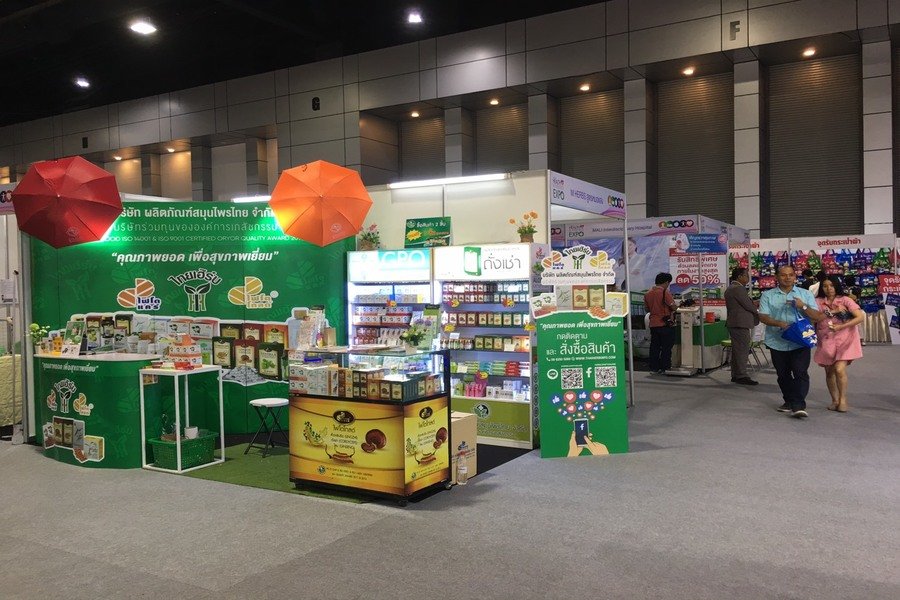
TTM, encompassing herbal remedies, nuad Thai (Thai massage), and acupuncture, is a key driver of Thailand’s holistic wellness boom. A 2024 Mintel report highlights that 78% of Thai consumers prioritize natural ingredients like turmeric and lemongrass for their medicinal properties, linking internal health to external well-being (Ratchatawipasanan). Brands like Sabai Arom leverage TTM to create herbal-based products, blending tradition with modern appeal (Timeout). This integration appeals to consumers seeking holistic solutions for stress, skin health, and immunity.
The legalization of cannabis for medicinal use in 2022 has further elevated TTM’s role, with projections estimating a 15% annual growth rate for Thailand’s cannabis and hemp market through 2025 (Arunmas). Wellness brands are incorporating cannabis-infused spa treatments and supplements, positioning Thailand as a leader in innovative holistic health solutions.

Wellness Tourism as a Global Draw
Thailand’s wellness tourism sector, valued at $12.34 billion in 2023 with a 119.5% growth rate from 2022, is a major catalyst for holistic wellness (Global Wellness Institute). International visitors, spending an average of $1,735 per trip, are drawn to resorts like Chiva-Som and Kamalaya, which offer programs combining TTM, meditation, and modern diagnostics (Indo Thai News). These retreats cater to the 40% of global wellness tourists seeking culturally immersive experiences, blending Thai herbal saunas with mindfulness practices (C9 Hotelworks).
Tourism operators benefit from Thailand’s reputation as a wellness hub, with events like TIME 2025 showcasing integrated wellness and cultural offerings (Travel and Tour World). This global appeal drives demand for holistic wellness, creating opportunities for brands to partner with resorts and develop authentic, high-value experiences.
Digital Integration and Accessibility
Thailand’s embrace of digital tools enhances the accessibility of holistic wellness. A 2024 study found that 62% of Thais use fitness and wellness apps, with 55 million having internet access (Intellify). Platforms like FitSense deliver personalized meditation and nutrition plans, while telehealth services integrate TTM advice, appealing to the 70% of consumers prioritizing preventive care (Vantamay 73). This digital shift aligns with Thailand’s high mobile health literacy, making holistic wellness more accessible to urban and rural consumers alike.
Social media, particularly TikTok and Instagram, amplifies holistic wellness trends, with 73% of Thais discovering products through these platforms (Intellify). Influencers promoting mindfulness or TTM-inspired products drive engagement, particularly among the 40% of fitness consumers aged 18-34 (INTAGE). Brands can leverage these channels to offer virtual wellness experiences, such as guided meditation sessions, enhancing market reach.
Consumer Demand for Preventive and Holistic Health
Thai consumers’ focus on preventive care fuels the holistic wellness boom. A 2024 survey found that 70% prioritize balanced diets, with 78% favoring evidence-backed products for immunity and healthy aging (Intellify; Siriboonpipattana). Unlike global markets where appearance often dominates, Thais emphasize internal health, with 47% addressing burnout through mindfulness practices (Jiradechakul). This holistic mindset drives demand for products like probiotics and herbal supplements, which align with TTM’s focus on gut health and balance.
Economic realities, with 75% of consumers concerned about rising costs, push brands to offer affordable, multi-benefit products like sachet-packaged serums or supplements (Siriboonpipattana). This pragmatic approach ensures holistic wellness remains accessible, even in a price-sensitive market.
Challenges and Opportunities
Despite its growth, Thailand’s holistic wellness market faces challenges, including limited awareness of mental health solutions, with only 36% of Thais feeling supported in this area (Jiradechakul). Cultural stigmas require discreet marketing strategies, such as promoting mood-enhancing supplements as part of holistic health. Environmental stressors like pollution also drive demand for protective products, creating opportunities for brands to innovate with TTM-inspired formulations (Ratchatawipasanan).
For investors, Thailand’s wellness market offers high potential, with its robust OEM/ODM ecosystem supporting 10-20% annual growth in beauty and wellness products (Custom Market Insights). Tourism operators can capitalize on the growing wellness tourism sector by offering hybrid experiences that blend digital tools with in-person retreats, ensuring broad appeal.
Conclusion
Thailand’s holistic wellness thrives due to its cultural heritage, innovative integration of TTM, and booming wellness tourism sector. Supported by digital advancements and a consumer focus on preventive care, the $40.5 billion market offers vast opportunities for wellness brands, investors, and tourism operators. By leveraging Thailand’s unique blend of tradition and modernity, stakeholders can create authentic, impactful offerings that resonate with both local and global audiences, solidifying Thailand’s position as a global wellness leader.
Works Cited
Arunmas, P. “Cannabis Valued at B43BN by 2025.” Bangkok Post, 14 Feb. 2023, www.bangkokpost.com/business/2351196/cannabis-valued-at-b43bn-by-2025. Accessed 5 Aug. 2025.
Buawangpong, Nida, et al. “Well-being in Thailand: A Culturally Driven Grounded Inquiry Exploration of a Complex Construct.” Applied Research in Quality of Life, vol. 17, no. 2, 7 June 2022, pp. 647-663, doi:10.1007/s11482-021-09933-5.
C9 Hotelworks. “Wellness Economy Report 2025.” Insights.ehotelier.com, 23 May 2025, insights.ehotelier.com/insights/2025/05/23/being-thailand-2025-highlights-thailands-evolving-role-as-a-global-wellness-economy-leader/. Accessed 5 Aug. 2025.
Custom Market Insights. “Thailand Beauty and Personal Care Market Size 2025 – 2034.” Custom Market Insights, 2025, www.custommarketinsights.com/report/thailand-beauty-and-personal-care-market/. Accessed 5 Aug. 2025.
Global Wellness Institute. “Global Wellness Institute Releases New Data on Thailand’s Fast-Growing $40.5 Billion Wellness Market.” Global Wellness Institute, 19 Feb. 2025, globalwellnessinstitute.org/press-releases/global-wellness-institute-releases-new-data-on-thailands-fast-growing-40-5-billion-wellness-market/. Accessed 5 Aug. 2025.
Indo Thai News. “7 Health and Wellness Trends in Thailand 2025.” Indo Thai News, 17 Feb. 2025, www.indothainews.com/7-health-and-wellness-trends-in-thailand-2025/. Accessed 5 Aug. 2025.
INTAGE. “Thailand Health Trend 2024 (Part 2).” Global Market Surfer, 28 June 2024, www.global-market-surfer.com/pickup/detail/489/. Accessed 5 Aug. 2025.
Intellify. “Thailand Consumer Trends Outlook 2025.” Intellify Market Research, 18 Jan. 2025, www.intellifyglobal.com/thailand-consumer-trends-outlook-2025. Accessed 5 Aug. 2025.
Jiradechakul, Pongsanguan. “Consumers Spend More on Healthy Living.” Mintel, 10 Dec. 2021, www.mintel.com/press-centre/42-of-thai-consumers-spend-more-on-healthy-living/. Accessed 5 Aug. 2025.
Ratchatawipasanan, Chayapat. Thailand Beauty and Wellness Market Report 2024. Mintel, 15 July 2024, store.mintel.com/report/thailand-beauty-and-wellness-market-report-2024. Accessed 5 Aug. 2025.
Siriboonpipattana, Wilasinee. “Over 75% of Thai Consumers Seek Credible Health Claims Amid Rising Cost of Living.” Mintel, 30 Aug. 2023, www.mintel.com/press-centre/over-75-of-thai-consumers-seek-credible-health-claims-amid-rising-cost-of-living/. Accessed 5 Aug. 2025.
Timeout. “Best Local Health and Beauty Products in Thailand.” Timeout, 27 Jan. 2025, www.timeout.com/thailand/shopping/best-local-health-and-beauty-products-in-thailand. Accessed 5 Aug. 2025.
Travel and Tour World. “Thailand’s TIME 2025 Demonstrates Unparalleled Business Travel with Exclusive Wellness and Cultural Offerings.” Travel and Tour World, 3 July 2025, www.travelandtourworld.com/news/article/thailands-time-2025-demonstrates-unparalleled-business-travel-with-exclusive-wellness-and-cultural-offerings/. Accessed 5 Aug. 2025.
Vantamay, N. “Understanding Mobile Health Literacy among the Working-Age Population: A Cross-Sectional Study in Thailand.” Journal of Public Health and Development, vol. 22, no. 3, 9 Sept. 2024, pp. 73-84, doi:10.55131/jphd/2024/220307.